When the lights go out, life doesn't have to grind to a halt. A sudden blackout, whether it's due to a fierce storm, a utility issue, or an unforeseen neighborhood problem, can quickly turn comfortable living into an exercise in frustration. That's where a whole house generator steps in, offering an unwavering promise of continuous power. If you're ready to invest in peace of mind and are searching for the Best Whole House Generator Brands and Models to keep your home running smoothly, you've come to the right place. We'll cut through the noise to help you understand what truly matters in backup power.
At a Glance: Your Whole House Generator Checklist
- Identify Your Power Needs: List every essential appliance, sum their wattage, and then double it for a safe estimate.
- Fuel Your Decision: Choose between natural gas (convenient, direct supply) or liquid propane (cleaner, storable).
- Sound Matters: Look for models with lower decibel ratings for a quieter operation.
- Protect Electronics: Ensure a Total Harmonic Distortion (THD) of less than 5% for sensitive devices.
- Warranty Wins: Aim for a minimum 5-year warranty to protect your investment.
- Local Support: Prioritize brands with easily accessible local service centers for maintenance and repairs.
- Professional Installation: Always have a certified electrician handle setup to ensure safety and compliance.
- Safety First: Install carbon monoxide detectors and maintain proper distances from your home.
Beyond the Flickering Lights: The Unseen Benefits of Constant Power
Imagine a world where power outages are mere blips on the radar, not disruptive events. That's the reality a whole house generator offers. It’s more than just a convenience; it’s an essential safeguard for modern living, providing a host of benefits that extend far beyond simply keeping the lights on.
- Unrivaled Peace of Mind: Knowing your home is protected from unexpected outages brings an immense sense of security. No more worrying about spoiled food, freezing pipes, or losing touch with the outside world. Your life continues largely uninterrupted, regardless of what's happening on the grid.
- Automatic, Seamless Operation: Unlike portable generators that demand manual setup and refueling, a standby whole house generator is designed for automation. Within minutes (some models activate in less than 10 seconds, others up to 5 minutes) of detecting an outage, it kicks into gear, restoring power to your critical circuits. Your refrigerator keeps humming, your heating or cooling system maintains comfort, and your internet stays connected.
- A Savvy Financial Investment: While the initial cost might seem significant, a whole house generator often pays dividends. It prevents costly hotel stays during prolonged outages, saves hundreds (or thousands) in spoiled groceries, allows you to continue working from home, and keeps children entertained, avoiding additional expenses. What's more, some homeowner's insurance providers offer discounts for homes equipped with standby generators, recognizing the reduced risks of damage from power-related issues.
For a deeper dive into how these systems revolutionize home resilience, you might find it useful to Learn more about whole house generators.
Finding Your Perfect Match: What Defines a Top-Tier Whole House Generator
Choosing the right whole house generator isn't about picking the biggest or most expensive model. It's about smart matching—aligning the generator's capabilities with your home's unique needs and your priorities. Here's what to meticulously consider.
Powering Up: Calculating Your Wattage Needs
This is perhaps the most critical step. Generator power is measured in watts (W) or kilowatts (kW), and understanding your home's demand ensures you don't overspend on excess capacity or underspend on insufficient power.
Start by listing every appliance and electronic device you consider essential during an outage. This includes your refrigerator, lights, well pump (if applicable), furnace fan, air conditioning unit, computer, and any medical equipment. Look for their wattage ratings—often found on labels, in manuals, or by searching online.
Here’s a quick guide to common appliance wattages:
- Refrigerator: 600-800W
- Lights (per circuit/bulb): 60-600W
- Window AC Unit: 1,000-2,000W
- Central AC Unit: 3,000-5,000W (or more for larger units)
- Computer/Laptop: 60-300W
- Microwave: 600-1,500W
- Furnace Fan: 400-800W
- Well Pump: 1,000-2,000W (can have high starting wattage)
Sum these individual wattages. Then, to account for "starting wattage" (the temporary surge of power many motor-driven appliances need to kick on) and future needs, a good rule of thumb is to double your calculated running wattage total. For example, if your essential items sum to 8kW, aim for a generator with at least 16kW of output.
While an 8kW generator might run a few critical items, a 20-22kW standby generator is often needed for frequent outages or to power most of a medium-to-large home smoothly for several days, including central air. Remember, an excessively large generator is less fuel-efficient for lower loads, so finding the sweet spot is key. For more in-depth guidance, consider reading a deeper dive into understanding generator wattage needs.
Whisper Quiet Operation
Let's face it, no one wants a noisy power plant disrupting their neighborhood. The noise level of a generator is a significant factor, especially if you have close neighbors or plan to run it for extended periods. Generators are rated in decibels (dB). For reference, a normal conversation is about 60 dB, and a lawnmower is around 90 dB. Some generators can be significantly louder. Research models known for their quiet operation, as advancements in enclosure design and engine technology have made many modern whole house generators surprisingly unobtrusive.
Protecting Your Precious Electronics: The THD Factor
In our smart homes filled with delicate electronics—computers, smart TVs, gaming consoles, and sensitive medical devices—the quality of electricity matters. "Dirty power," characterized by high Total Harmonic Distortion (THD), can damage or shorten the life of these sophisticated items. Look for generators that boast a THD of less than 5%. This indicates a clean, stable power output that's safe for even your most sensitive equipment.
Size Smart, Not Just Big
Beyond wattage, the physical size and footprint of the generator are important. Choose the smallest generator that reliably meets your power needs to maximize fuel usage and minimize space requirements. For frequent, long-term outages, a robust standby generator (e.g., 20-22kW) is a wise choice. For occasional outages or a more minimalist approach to backup power, a smaller dual-fuel or propane-only unit might be more cost-effective. Consider your available space and local zoning regulations for placement.
The Promise of Protection: Warranty Matters
A whole house generator is a substantial investment. A robust warranty provides peace of mind and protection against unexpected defects or malfunctions. Given their cost and complexity, a minimum 5-year warranty is highly recommended. Some premium brands offer even longer coverage, signaling their confidence in product durability. Always read the fine print to understand what's covered and for how long.
Smart Features That Make a Difference
While core functionality is paramount, certain extra features can significantly enhance convenience, safety, and performance:
- Electric Start: A standard for whole house units, ensuring automatic and effortless startup.
- Fuel Versatility: Options for natural gas or liquid propane (or dual-fuel capabilities) offer flexibility.
- Automatic Low-Oil Shutoff: A crucial safety feature that protects the engine from damage due to insufficient oil levels.
- Remote Monitoring: Allows you to check your generator's status, fuel levels, and performance from your smartphone or computer.
- Weather-Resistant Enclosure: Protects internal components from the elements, ensuring longevity.
Navigating the Market: How to Pick the Best Whole House Generator Brands and Models
When it comes to specific brands and models, the "best" often comes down to a combination of proven reliability, strong customer support, and specific features that align with your priorities. While we won't list specific brand names (as market leaders can shift and personal experiences vary), here's how to evaluate them.
Reliability and Reputation: Beyond the Brochure
A brand's reputation is built on consistent performance and customer satisfaction. Researching models known for their durability and long service life is key. Look for:
- Industry Recognition: Brands frequently recommended by electricians and installation professionals.
- Certifications: Ensure models meet safety and performance standards (e.g., UL, CSA).
- Proven Track Record: How long has the brand been producing generators, and what's their history of product quality?
Local Support: The Unsung Hero of Generator Ownership
This cannot be stressed enough. A whole house generator, like any complex appliance, will require periodic maintenance and potential repairs. Purchasing a generator from a brand with a readily available local service center in your area is invaluable. This ensures:
- Convenient Maintenance: Easier scheduling for routine check-ups.
- Faster Repairs: Quick access to certified technicians when issues arise.
- Parts Availability: Ensuring replacement parts are easily sourced, minimizing downtime.
A reliable local dealership or service network means your investment is supported long-term, dramatically improving your ownership experience. Don't underestimate the importance of local expertise and availability.
Reading Between the Lines: Customer Reviews and Expert Opinions
While specific brand names are intentionally omitted here, leveraging online reviews, independent expert analyses, and direct conversations with local electricians can help you narrow down your choices. Look for patterns in feedback regarding:
- Ease of Maintenance: How straightforward is routine servicing?
- Noise Levels: Do real-world users confirm quiet operation?
- Customer Service: How responsive and helpful is the manufacturer's support?
- Durability in Extreme Weather: How do units perform in conditions similar to yours?
Fueling Your Home: Natural Gas vs. Liquid Propane
The choice of fuel type is a fundamental decision for your whole house generator, impacting everything from cost and convenience to environmental footprint. Your location and existing utility connections will often guide this choice. To help you in deciding on the right fuel type for your generator, let’s break down the options.
Pros and Cons of Natural Gas
If your home is already connected to a natural gas line, this can be an incredibly convenient option.
- Pros:
- Continuous Supply: Directly delivered to your home via an underground pipeline, eliminating the need for on-site fuel storage or refueling. This is a significant advantage for extended outages.
- Generally Cheaper: Often more cost-effective than propane, especially for long-term use, though prices can fluctuate.
- Low Maintenance: Fewer worries about fuel degradation or storage issues.
- Eco-Friendly: Burns cleaner than gasoline or diesel, with a lower carbon footprint.
- Cons:
- Vulnerability: If the natural gas infrastructure is compromised (e.g., by an earthquake or widespread disaster), your fuel supply could be interrupted.
- Power Output: Natural gas generators typically have slightly lower power output compared to similarly sized propane or gasoline units.
- Fixed Location: Requires a permanent gas line connection to the generator.
Pros and Cons of Liquid Propane (LP)
Propane is another popular choice, particularly for homes without natural gas access or those seeking a storable fuel option.
- Pros:
- Storable On-Site: Can be stored in large tanks on your property, providing an independent fuel source that isn't reliant on a utility grid.
- Cleaner Burn: Burns very cleanly, not requiring a stabilizer, which extends engine life and reduces maintenance.
- Multi-Purpose: If you already use propane for other appliances (grill, fireplace, water heater), it simplifies your fuel logistics.
- Portable Fuel Source: While the generator is stationary, the fuel tank can be refilled by local delivery services.
- Cons:
- Requires Refueling/Delivery: You'll need to monitor your tank level and arrange for refills, which can be an issue during widespread outages if delivery services are overwhelmed.
- Storage Tank: Requires space for a large, dedicated storage tank on your property, which must meet local regulations for placement.
- Price Volatility: Priced per gallon, propane costs can fluctuate, and it can be more expensive than natural gas.
Making Your Choice
Ultimately, your fuel choice depends on access, cost priorities, and how much you value an independent, stored fuel source versus a continuous, pipeline-fed supply. Consult with your installer to understand the best options for your specific property.
The Road to Readiness: Professional Whole House Generator Installation
Installing a whole house generator is not a DIY project. It involves complex electrical and gas connections that, if handled incorrectly, pose serious safety risks and can lead to damage. Always engage certified professionals for installation.
Understanding the Setup Process
While professionals handle the intricate details, understanding the general steps can give you an appreciation for the work involved:
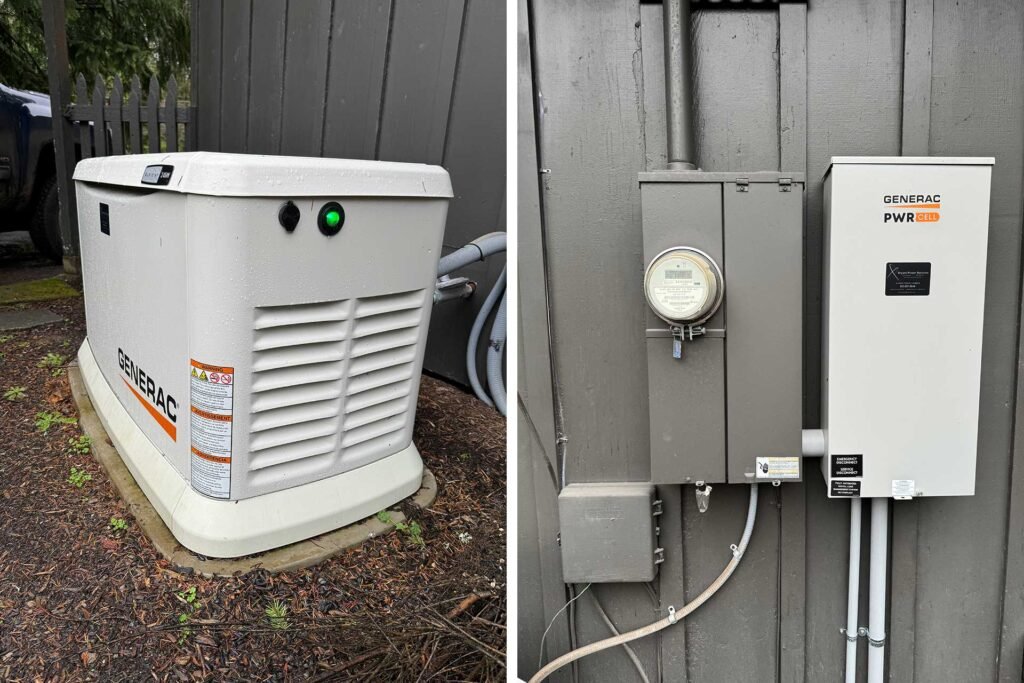
- Electrical Sub-Panel and Transfer Switch Installation: An electrician installs a new electrical sub-panel and an automatic transfer switch next to your main electrical panel. The transfer switch is the brains of the operation, sensing power outages and seamlessly switching your home's power source.
- Circuit Redirection: Your critical circuits (e.g., refrigerator, furnace, specific outlets) are redirected from the main panel to the new sub-panel.
- Generator Pad Preparation: A level, sturdy concrete base is created for the generator, ensuring it’s stable and clear of any water sources. Some generators have specific clearances for placement relative to the house.
- Generator Placement: The generator is carefully positioned on its prepared base.
- Gas Meter/Line Installation: If using natural gas, a new high-pressure gas meter may be installed, and a trench dug to run a dedicated gas line to the generator. For propane, the tank is placed, and a line is run.
- Fuel Line Connection: The natural gas line (or propane line) is connected to the generator, ensuring leak-free and code-compliant connections.
- Electrical Wiring: The generator's main electrical cable is run and connected to the transfer switch inside your home.
- Final Connections and Testing: All electrical and gas connections are finalized at the generator's rear, followed by rigorous testing to ensure everything operates safely and correctly.
For a comprehensive walkthrough of the entire process, including specific requirements and considerations, you might want to consult a detailed generator installation guide.
Why Professional Installation is Non-Negotiable
Beyond safety, professional installation ensures:
- Code Compliance: Installers are knowledgeable about local electrical and gas codes, ensuring your setup passes inspection.
- Optimal Performance: Correct sizing of gas lines, electrical wiring, and proper calibration guarantee efficient operation.
- Warranty Protection: Many generator warranties require professional installation to remain valid.
- Peace of Mind: Knowing your system is installed correctly by licensed experts allows you to trust it when you need it most.
Powering Up Safely: Essential Generator Safety Practices
Even after professional installation, responsible generator ownership requires adherence to key safety protocols. These devices are powerful and, if misused, can pose serious risks.
Location, Location, Location
- Maintain Distance: Generators emit exhaust fumes and generate heat. Always place your generator far from your house—some are certified to be as close as 18 inches, but generally, more distance is better.
- Avoid Enclosed Areas: Never, under any circumstances, store or operate a generator in garages, basements, crawl spaces, sheds, or any other enclosed or partially enclosed area, even if you believe it's well-ventilated. The exhaust gases are deadly.
The Invisible Killer: Carbon Monoxide
- Install CO Alarms: Overheated generators, or those operating in improperly ventilated areas, can emit carbon monoxide (CO)—a colorless, odorless, and highly toxic gas. Install battery-operated carbon monoxide alarms throughout your home and check them regularly. This is a non-negotiable safety step.
Fueling and Maintenance: Best Practices
- Manufacturer Instructions: Always adhere strictly to the generator's manual for installation, operation, and care. Instructions vary by brand and model.
- Cool Down Before Refueling: If your generator is running low on fuel, switch it off and allow it to cool completely before attempting to refuel. Hot engine parts and spilled fuel are a dangerous combination.
- Fuel Storage: Store fuel in airtight, non-glass, properly labeled containers designed for fuel. Keep these containers in a cool, dry, well-ventilated place, away from living areas and any other fuel-using electronics or ignition sources.
- Propane Advantage: Propane, especially, does not degrade like gasoline, doesn't require stabilizers, and is relatively easy to refuel with an on-site storage unit.
Wet Hands and Live Wires: Staying Dry
- Keep Hands Dry: Always ensure your hands are completely dry when handling the generator, especially if it's on and running, or if you're working near electrical connections. Water conducts electricity, and combining it with live electrical components is extremely hazardous.
Adhering to these safety tips will ensure your generator provides reliable backup power without compromising the safety of your home or family. Consistent maintenance also plays a huge role in safety and longevity. For more guidance on keeping your system in top shape, consider these essential generator maintenance tips.
Your Whole House Generator Questions, Answered
Let's address some of the most common questions people have when considering a whole house generator.
How Do I Calculate My Home's Exact Power Output Needs?
As discussed earlier, the best way is to list all essential electronic equipment and appliances, find their individual power requirements (in watts), and sum them up. Then, to account for starting wattage surges and a buffer for peace of mind, double that total. For example, if your essentials sum to 8kW, aim for a 16kW generator. Avoid purchasing an excessively large generator, as they are less fuel-efficient when running at low loads. When in doubt, always consult a local, reputable electrician or a generator repair shop; they can perform a load calculation specific to your home and recommend the appropriate size and brand.
Can I Just Plug My Generator Into a Wall Outlet (Backfeeding)?
Technically, it might be possible to "backfeed" a generator into an appliance outlet, like a dryer outlet, but this practice is highly dangerous and often illegal. Backfeeding sends electricity from your generator out through your home's wiring and potentially back onto the utility grid. This creates an extreme electrocution hazard for utility workers who may be trying to repair lines, believing the power is off. It also risks damaging your home's electrical system or the generator itself.
To safely connect a generator to your home, an automatic transfer switch (ATS) is required. The ATS isolates your home from the utility grid before engaging the generator, preventing backfeeding. While a simpler "manual transfer switch" can also work, the ATS provides automatic, seamless power transfer, eliminating the risks associated with makeshift connections. Always check local regulations, as backfeeding is prohibited in most, if not all, US states. Prioritize safety and professional installation with a proper transfer switch.
Your Next Steps to Uninterrupted Power
Investing in a whole house generator is a significant decision, but it's one that brings unparalleled security and convenience to your home. By carefully considering your power needs, understanding the fuel options, prioritizing safety, and ensuring professional installation and ongoing support, you can choose the best whole house generator that truly delivers on its promise.
Start by conducting a thorough assessment of your home's essential power requirements. Then, connect with reputable local electricians and generator dealers. Get multiple quotes, discuss the pros and cons of different fuel types in your area, and inquire about specific brands' warranties and local service availability. This diligent approach will empower you to make an informed choice, equipping your home with a reliable guardian against future power outages. Don't wait until the next storm hits; proactive planning ensures you're ready for anything.