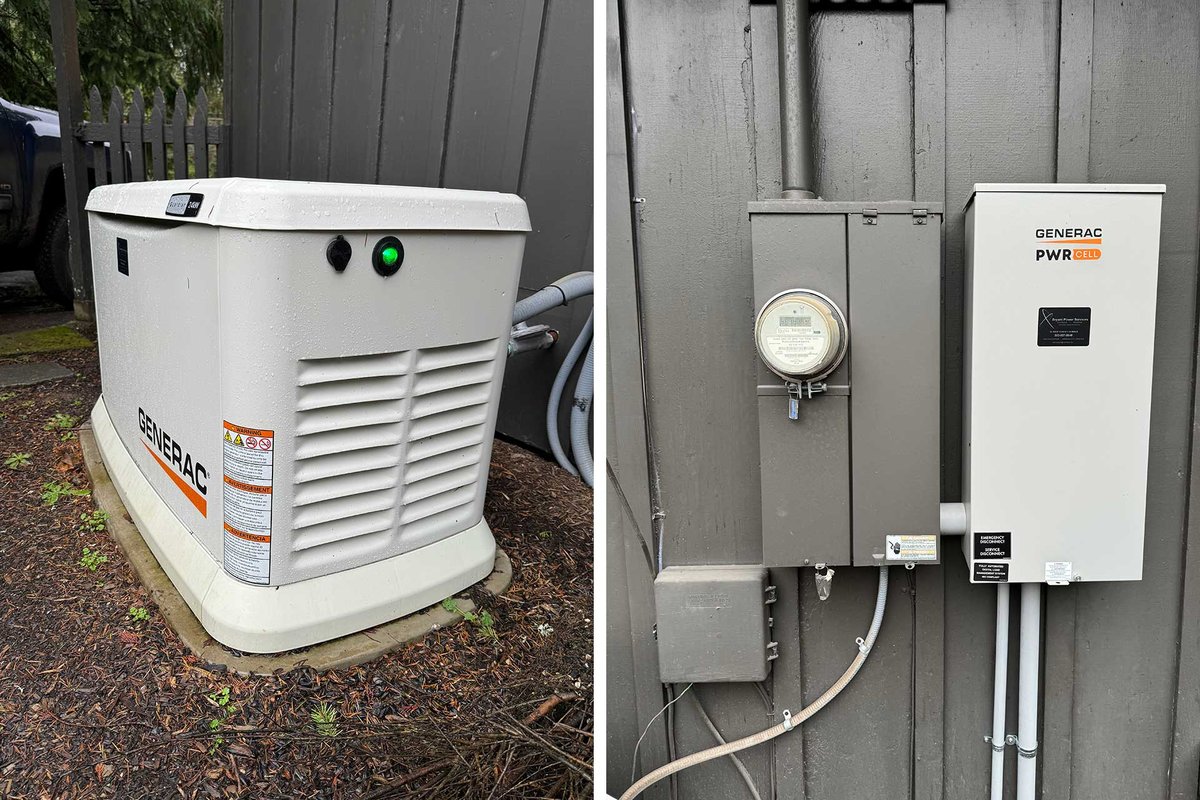
Imagine a severe storm sweeping through, plunging your neighborhood into darkness while your home remains a beacon of light, warmth, and connectivity. This isn't a pipe dream; it's the reality a whole-house generator delivers. Designed for seamless, automatic operation, these powerful systems ensure your family's comfort, security, and essential services continue uninterrupted, no matter what challenges the grid faces.
For many homeowners, the thought of a prolonged power outage brings anxiety, spoiled food, and disrupted routines. A whole-house generator eliminates these worries by providing immediate and reliable backup power, safeguarding everything from your refrigerator to your central air conditioning.
What Defines a Whole-House Standby Generator?
Unlike portable generators that require manual setup and refueling, a whole-house standby generator is a permanent fixture, much like a central air conditioning unit. It sits outside your home on a dedicated concrete pad, connected directly to your electrical system through an automatic transfer switch. This means when the power goes out, your generator senses it and kicks on automatically, often within seconds.
These robust units typically operate on your home's natural gas line, offering an essentially limitless fuel source, or on a large, dedicated propane tank that requires less frequent refueling than smaller portable options. Whether you're interested in the specifics of fuel delivery or different capacity offerings, you can Explore whole house generator types to understand the full spectrum of choices available for your home.
Why Your Home Needs Automatic Backup Power
Investing in a generator for whole house coverage is more than just a convenience; it's a strategic decision for your home and family's well-being.
- Continuous Comfort and Convenience: Forget fumbling in the dark or prioritizing which single appliance to power. Your heating, cooling, lighting, and entertainment systems remain operational.
- Protection for Essentials: Prevent food spoilage, ensure critical medical devices function, and keep security systems active.
- Safety and Peace of Mind: Eliminate the carbon monoxide risks associated with indoor portable generator use, knowing your family is safe and sound during emergencies.
- Increased Property Value: Homes equipped with whole-house generators often hold greater appeal and value, especially in regions prone to power disruptions.
Beyond Basic Power: Advanced Features and Technology
Modern whole-house generators are packed with sophisticated technology designed for efficiency, reliability, and ease of use. Brands like Generac, Champion, and Kohler lead the way with innovative features. Many models boast True Power Technology, ensuring stable, clean electricity with minimal harmonic distortion (under 5%) – crucial for protecting sensitive electronics.
Purpose-built G-Force Engines are common, known for their durability and low maintenance requirements. Remote monitoring is also a game-changer; features like Generac's Mobile Link app allow you to track performance, schedule maintenance, and receive alerts directly to your phone via Wi-Fi or cellular connectivity. Some units, like specific Generac models, even include Automatic Idle Control to reduce engine speed, save fuel, and lower noise during periods of low power demand, making them remarkably quiet during operation or self-tests.
Finding the Perfect Fit: Sizing Your Whole House Generator
Choosing the right generator size is paramount to ensure it meets your home's unique demands without being inefficiently oversized or frustratingly undersized. This involves a careful assessment of your property and lifestyle.
- Calculate Total Wattage: Sum the running and starting wattages of all essential appliances you wish to power simultaneously. Don't forget major appliances like refrigerators, sump pumps, HVAC systems, and well pumps.
- Consider Peak Starting Wattage: Account for the higher power surge required when motor-driven appliances, such as air conditioners or well pumps, first kick on.
- Factor Future Needs: Think ahead about any anticipated expansions or additional high-demand appliances.
- Consult Experts: While you can estimate, engaging a qualified electrician or generator specialist is crucial for an accurate assessment. They'll ensure your chosen generator has adequate capacity for your entire home or a specific set of critical circuits.
For most average homes, generators over 15,000 watts can typically power everything. A 22kW generator is a popular mid-to-large capacity choice, generally sufficient for most essential appliances. However, larger homes or those with extensive high-demand appliances (e.g., electric water heaters, multiple central AC units) might require more robust options. To ensure you make an informed decision for your specific needs, be sure to consult our detailed Sizing and Installation Guide.
Top Brands and Models Leading the Way
When it comes to a generator for whole house backup, certain brands consistently stand out for their reliability and advanced features. Generac is a prime example, offering a range of standby generators tailored for different household needs.
- Generac 14kW: Available as a standard model or a dual-fuel option, some versions boast Automatic Idle Control and built-in cellular connectivity (with a premium subscription) for integration into Generac's Home Energy Ecosystem. It often comes with a 100-Amp, 16-circuit transfer switch, ideal for comprehensive circuit coverage.
- Generac 18kW: Known for high-capacity power and super-quiet operation, particularly during self-tests or with Automatic Idle Control enabled.
- Generac 24kW: Offers robust, high-capacity power, often including a 200-Amp transfer switch for seamless, whole-house coverage, making it suitable for larger homes or extensive appliance loads.
Understanding the nuances between these and other leading models is key to finding your perfect match. To dive deeper into the market's leading options and compare specifications, you'll want to Explore Top Whole House Generators.
The Investment: Costs, Installation, and Long-Term Value
A whole-house generator represents a significant investment, but one that often provides invaluable returns in security, comfort, and property value. Unit prices typically range from $3,400 to nearly $7,000, but it's important to remember that this is just one component of the total cost.
Professional installation is absolutely required due to the unit's size, weight (often 385-455 pounds), and the complexity of connecting to gas lines, preparing a concrete pad, and integrating with your home's electrical panel. Installation costs can vary widely, from $2,000 to $20,000 or more, often exceeding the cost of the generator unit itself. Factors like your home's existing electrical infrastructure, gas line proximity, and local permits will influence the final price. To fully understand the financial implications and calculate your potential returns, we encourage you to Unlock Cost and ROI Insights that explores all these variables.
Keeping the Lights On: Maintenance and Safety
Once installed, whole-house generators are designed for low-maintenance operation and superior safety. They perform regular self-diagnoses, often running a short test weekly, and provide maintenance alerts directly to your mobile device via remote monitoring apps. This proactive approach ensures the unit is always ready when needed.
Because these units are professionally installed outdoors with proper exhaust diversion, they completely eliminate the carbon monoxide risks associated with portable generators operated too close to living spaces. Many models also feature design enhancements, such as oil level sensors, to improve reliability and performance even in cold weather conditions. Regular professional check-ups, usually once a year, will further ensure longevity and peak performance. For detailed tips on prolonging your generator's life and ensuring optimal function, refer to our comprehensive Maintenance and Longevity Tips.
Secure Your Home's Future
A generator for whole house backup is more than just an appliance; it's an investment in your home's resilience and your family's peace of mind. By providing automatic, continuous power, it ensures that life's essentials and comforts are never put on hold by an unexpected outage. As you consider this crucial upgrade, remember that knowledge is your best asset. Explore our detailed pillars to gain all the insights you need to choose, install, and maintain the perfect standby generator for your home.