There's a unique dread that settles in when the lights flicker, then die, plunging your home into silence. For many, that silence is quickly followed by the hum of a portable generator, manually dragged out and refueled in the dark. But what if you could bypass that scramble entirely? What if your home seamlessly transitioned to backup power without you lifting a finger? This is where understanding the different types of whole house generators becomes not just a convenience, but a critical investment in your peace of mind and property protection.
Whole house generators aren't just an amenity; they're a robust solution designed to keep your essential systems running—from refrigerators and HVAC to security and medical equipment—during extended grid failures. But like any major home investment, navigating the options can feel overwhelming. This guide will cut through the noise, helping you understand the fundamental differences, key features, and practical considerations so you can choose the right guardian for your home's power needs.
At a Glance: Whole House Generator Essentials
- Two Main Types: Standby generators offer automatic, seamless power transfer and connect to your home's fuel line. Portable whole house generators (often larger than typical portable units) require manual setup, refueling, and often don't integrate directly with your home's electrical panel without extra steps.
- Fuel Matters: Natural gas provides continuous operation directly from your utility line. Propane offers flexible storage but requires tank monitoring. Dual-fuel models offer versatility.
- Automatic vs. Manual: Standby units turn on within seconds of an outage, then turn off when utility power returns. Portable units need to be started and shut down manually.
- Key Features: Look for automatic transfer switches (ATS), noise levels, cold-weather performance, remote monitoring, and comprehensive warranties.
- Professional Help: Installation and major servicing for standby units require licensed professionals. Even for portable whole house options, consult an electrician for safe connection.
- Warranty Check: Don't just look at the years; understand the fine print regarding direct purchases, service handling, and parts coverage.
The Two Titans of Power: Standby vs. Portable Whole House Generators
When we talk about "whole house generators," we're often encompassing two distinct classes that offer very different experiences during a power outage. Understanding this fundamental divide is the first step in making an informed decision.
The Unseen Guardian: Standby Whole House Generators
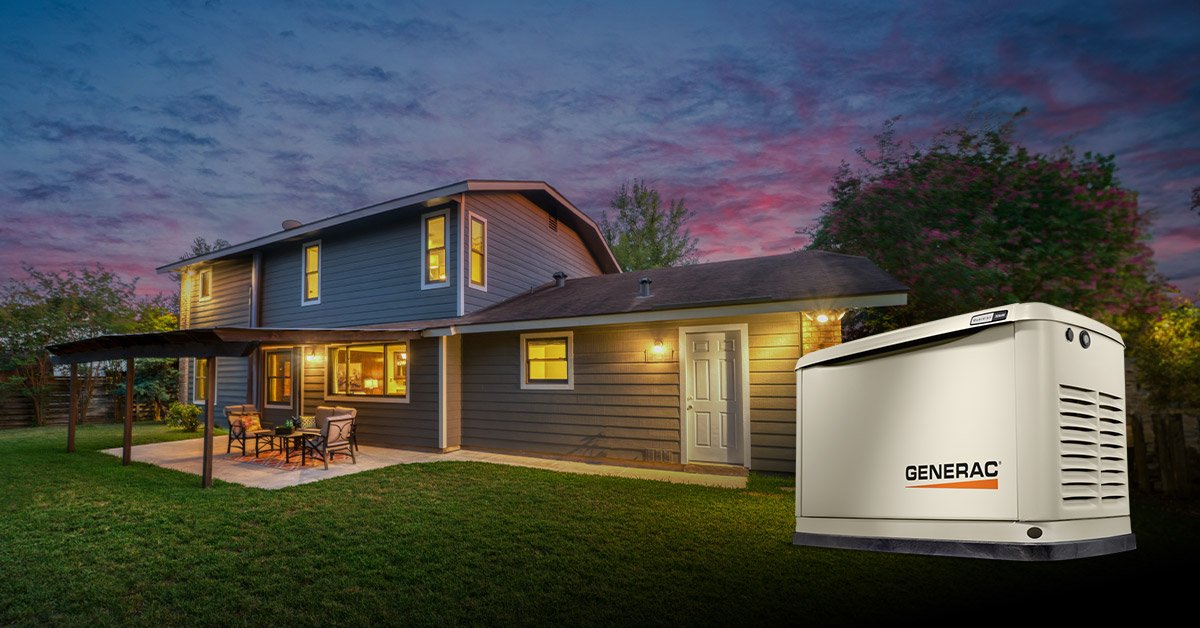
Imagine this: The power goes out. Ten seconds later, your lights are back on, your fridge hums, and your AC kicks in. You didn't do a thing. That's the magic of a standby whole house generator. These units are permanently installed outside your home, much like an AC unit, and are connected directly to your home's electrical system and a continuous fuel source like natural gas or a large propane tank.
How They Work: At the heart of a standby system is the Automatic Transfer Switch (ATS). When the ATS detects a power outage, it automatically disconnects your home from the utility grid and switches its power supply to the generator. Once utility power is restored, the ATS reverses the process, seamlessly returning your home to grid power and shutting down the generator. Many also perform weekly self-diagnostics, ensuring they're ready when needed.
Who They're For: Homeowners seeking ultimate convenience, uninterrupted power, and peace of mind, especially those in areas prone to frequent or long-duration outages, or anyone with critical medical equipment or extensive smart home systems.
Benefits:
- Automatic Operation: Hands-free, instant power during an outage.
- Continuous Fuel Supply: Connects to natural gas or a large propane tank, eliminating the need for constant refueling.
- Whole-Home Coverage: Can power your entire home, not just select circuits.
- Weather Resilience: Many models are designed to operate in extreme temperatures.
- Enhanced Home Value: A significant upgrade that can attract buyers.
Considerations: - Higher Upfront Cost: Both the unit and professional installation are substantial investments.
- Professional Installation: Required for electrical and fuel line connections.
- Ongoing Maintenance: While low-maintenance, they still require professional servicing.
- Noise: Though often quieter than portables, they still produce sound during operation.
The Agile Ally: Portable Whole House Generators
While the term "whole house" usually refers to standby units, there's a category of larger, heavy-duty portable generators that can also power a significant portion of a home. These differ fundamentally from standby units in their operation and integration.
How They Work: Unlike their standby counterparts, portable whole house generators are not permanently installed. They require manual setup during an outage: you roll them out, connect them to a manual transfer switch (installed by an electrician) or directly to specific appliances via extension cords, and manually start them up. Their fuel source is typically gasoline or smaller propane tanks, which you must monitor and refuel regularly.
Who They're For: Homeowners on a tighter budget, those who experience infrequent or shorter outages, or individuals who want the flexibility to use their generator for other purposes (e.g., job sites, camping). They’re also a good choice for those who are comfortable with hands-on management during an outage.
Benefits:
- Lower Initial Cost: Both the unit and installation (if using a manual transfer switch) are typically less expensive.
- Portability/Flexibility: Can be moved and used elsewhere.
- Fuel Versatility: Many models offer dual-fuel options (gasoline/propane), providing more choices during fuel shortages.
- DIY Connection Potential: For essential circuits, though an electrician for a manual transfer switch is highly recommended for safety.
Considerations: - Manual Operation: Requires physical effort to set up, start, and refuel during an outage.
- Limited Run Time: Dependent on fuel capacity and availability, necessitating frequent refueling.
- Weather Dependency: Some models struggle in extreme cold or heat, and they must be operated outdoors, away from windows.
- Noise Levels: Generally louder than standby units.
- Safety Concerns: Carbon monoxide risk if not properly vented; fire risk with refueling.
Fueling Your Peace of Mind: Understanding Generator Fuel Types
The type of fuel your generator uses significantly impacts its convenience, operational cost, and run time. Each option comes with its own set of pros and cons.
Natural Gas Generators
Connecting directly to your home's existing natural gas line, these generators offer the ultimate convenience of continuous operation. As long as your gas supply isn't interrupted, your generator can run indefinitely.
- Pros: Unlimited run time (no refueling needed), generally cleaner burning, lower operational costs (natural gas is often cheaper than propane or gasoline).
- Cons: Requires a permanent connection to a natural gas line (which might not be available or require significant installation), power output can be slightly less than propane, vulnerable if the natural gas infrastructure is damaged.
Propane Generators
Propane generators typically run on liquid propane (LP) stored in large tanks on your property. This offers flexibility in placement and ensures a dedicated fuel supply.
- Pros: Clean-burning, easily stored on-site (above or below ground tanks), readily available for delivery, offers stable power output. Propane is also recommended for cleaner and less expensive operation for some dual-fuel models like the DuraMax.
- Cons: Limited run time (dependent on tank size and fuel level), requires monitoring fuel levels and scheduling deliveries, can be more expensive per gallon than natural gas.
Dual-Fuel Generators
Some portable whole house generators offer the flexibility to switch between two fuel types, typically gasoline and propane. This can be a lifesaver during regional fuel shortages or for extending run times.
- Pros: Incredible versatility, redundancy during fuel crises, can extend operation if one fuel type runs out (like the Westinghouse model's auto-switching feature).
- Cons: Still requires manual refueling for portable models, potential for slightly lower efficiency when switching.
Beyond Horsepower: Essential Features That Matter
Choosing the right type of generator is just the beginning. The specific features bundled into each model can dramatically impact its performance, reliability, and user experience.
The Automatic Transfer Switch (ATS)
This is the cornerstone of any standby whole house generator. As discussed, the ATS detects power loss, starts the generator, and switches your home's power source seamlessly. A robust ATS system, like the ATS200 in the "Top Pick" generator, ensures not just automation, but also safety by preventing back-feeding power into the utility grid. For portable units, a manual transfer switch (professionally installed) is the safest way to power essential circuits.
Noise Levels
Generators, by their nature, create noise. Measured in decibels (dBs), this is a critical factor, especially in suburban areas or if the generator is close to bedrooms. The "Top Pick" generator, at 63 dBs, is advertised as one of the quietest—comparable to a normal conversation. In contrast, some models, like the "Unnamed #7," are reported to have "incredibly loud" weekly self-tests. Pay attention to reported decibel levels, especially during self-tests.
Durability and Construction
A whole house generator is an outdoor appliance, exposed to the elements year-round. Look for models built with corrosion-resistant materials. Generac, for instance, uses three layers of aluminum and patented RhinoCoat for enhanced durability. Kohler prides itself on 100% corrosion-free metal construction. These features directly translate to a longer lifespan and reliable performance.
Cold Weather Performance
If you live in a region with harsh winters, a generator's ability to start and run in freezing temperatures is non-negotiable. Some generators, like the "Top Pick," boast a 24V starter capable of operating from -22 to 104 degrees Fahrenheit without preheating. Verify the temperature thresholds of any unit you consider.
Maintenance and Self-Diagnostics
The best generators make maintenance easy. Many standby units perform weekly self-diagnostics to ensure all systems are ready. Generac's engines are built for demanding situations and require less maintenance. This feature takes the guesswork out of readiness, offering true "set it and forget it" convenience.
Remote Monitoring
For ultimate peace of mind, especially if you travel, remote monitoring capabilities are invaluable. Generac's new models allow users to check status, maintenance schedules, and more via smartphone, tablet, or PC. This means you can know your generator is running—or if it needs attention—even when you're miles away.
Warranty and Technical Support
This is not just a safety net; it's a testament to the manufacturer's confidence in their product. A robust warranty, like the 10-year warranty from the "Top Pick" or the 5-year warranties from Generac and Kohler, is essential for such a significant investment. However, read the fine print carefully. As user reports suggest for Kohler, some companies may only honor warranties for units purchased directly or from authorized dealers. Also, inquire about lifetime technical support, as offered by the "Top Pick" and Westinghouse, which can save you headaches down the line. Finally, remember that "portable" units, even weighing 300-400 pounds, might require you to transport them to a service center to avoid steep fees, so factor in service handling.
Finding Your Perfect Match: A Practical Guide to Choosing
Selecting the right whole house generator isn't about finding the "best" one overall, but the best one for your specific needs. Here’s how to approach the decision:
1. Assess Your Needs and Lifestyle
- Local Weather Patterns: Do you live in an area prone to hurricanes, blizzards, or frequent thunderstorms? The higher the risk of extended outages, the stronger the argument for a fully automatic standby unit. If outages are rare and short, a robust portable might suffice.
- Critical Appliances: What absolutely must run? Just the fridge and a few lights, or your entire home including HVAC, well pump, and medical equipment? This will dictate the required power output (measured in kilowatts, kW) and often steers you towards a standby model.
- Budget: Be realistic about your upfront investment and ongoing fuel/maintenance costs. Remember, standby generators have higher initial costs but can offer long-term savings in convenience and potential fuel efficiency.
- Comfort with Manual Operation: Are you willing and able to go outside, start a generator, monitor fuel, and potentially refuel it in inclement weather, possibly in the middle of the night? If not, a standby unit is your clear choice.
2. Consider Installation and Siting
Standby generators require professional installation, involving electrical wiring to your home's transfer switch and connections to a gas or propane line. This isn't a DIY job. You'll also need a suitable outdoor location that complies with local codes for distance from windows, doors, and property lines, and allows for proper ventilation. Even for portable units using a manual transfer switch, professional electrical installation is crucial for safety.
3. Dig Deep into Warranties and Support
As noted earlier, a warranty is only as good as its terms.
Learn about whole house generators and understand exactly what is covered, for how long, and under what conditions. Does the manufacturer require specific annual maintenance for the warranty to remain valid? What are the procedures for filing a claim? Will technicians come to your home, or do you have to transport the unit? These details are especially important for high-value items like a whole house generator.
4. Factor in Total Cost of Ownership
Beyond the purchase price, consider:
- Installation Costs: For standby units, this can be substantial.
- Fuel Costs: Natural gas is often cheapest per unit, but propane deliveries add up. Gasoline for portables can be expensive and requires more frequent trips to the station.
- Maintenance: Annual professional servicing is recommended for standby units.
- Potential Savings: The value of preventing food spoilage, burst pipes from freezing, or even lost work from home can quickly offset a generator's cost.
A Closer Look: Noteworthy Generator Models in the Market
To help illustrate the differences, let's look at some specific examples based on real-world ground truth. Remember, these are examples of features and approaches, not necessarily direct recommendations without a full understanding of your specific needs.
The "Top Pick": Premium Automation, Whisper Quiet
This high-end standby generator operates on a propane gas line (requiring installation if not present). It sets a high bar for performance, featuring a 24V starter that works flawlessly from -22 to 104 degrees Fahrenheit without preheating. Advertised as one of the quietest at 63 dBs, it minimizes disturbance. The ATS200 whole house transfer system ensures seamless, automatic power transitions. With weekly self-diagnostics, a robust 10-year warranty, and lifetime technical support, it offers unparalleled peace of mind for those prioritizing seamless, automatic power.
Generac: Engineered for Endurance, Smart Connectivity
Generac generators are renowned for their robust engines, built for demanding situations and requiring less maintenance. Newer models boast enhanced durability with three layers of aluminum and patented RhinoCoat for superior corrosion mitigation—a crucial feature for an outdoor appliance. These units perform self-tests quietly, and impressively, you can monitor their status remotely via smartphone, tablet, or PC, adding a layer of convenience and control. They typically come with a solid five-year warranty.
Kohler: The Reliability Standard, Precision Power
Kohler generators are celebrated for their unwavering reliability and quick response, typically bringing power online within a rapid 10 seconds. They offer precise voltage regulation (± 1%), which is vital for protecting sensitive household electronics and appliances. Constructed with 100% corrosion-free metal, they're built to withstand the elements. Kohler typically offers a five-year warranty or 2,000 hours of use, whichever comes first. However, a critical point from user reports is to ensure you understand their warranty policy; some users have reported issues with support staff not honoring warranties for units not purchased directly from Kohler.
Westinghouse: Smart Value, Flexible Fueling
Positioned as a great model for a more budget-conscious buyer, the Westinghouse whole house generator offers significant value. While it doesn't attach to a fuel line (necessitating regular refueling) and doesn't automatically activate during an outage, its flexibility shines through. It can switch between fuel types (often gasoline and propane), even automatically switching if one runs out. An easy-start fob and up to 17.5 hours of run time between refuelings, along with an auto shut-off safety feature, make it a compelling "best whole house generator for the money." It includes a three-year warranty and lifetime technical support.
DuraMax: Dual-Fuel on a Budget
The DuraMax offers a versatile option, capable of running on natural gas or propane (with propane often recommended for cleaner, less expensive operation). It provides easy starting with either a keyed ignition or a recoil starter. Crucially, its power transfer isn't instant like pricier standby models; it requires refueling and doesn't run continuously. The DuraMax is EPA and CARB certified, meeting important environmental standards. However, some users have reported durability concerns and occasional delivery issues with missing parts, highlighting the need for thorough inspection upon arrival.
A Note on Noise: The "Unnamed #7" Example
While specifics can vary greatly by model, it's worth noting that even seemingly minor features can impact your experience. One unnamed generator, for example, conducts a weekly 30-minute self-test that is described as "incredibly loud." This highlights the importance of checking decibel ratings and user reviews not just for active operation, but also for routine maintenance cycles, especially if your generator is close to living spaces or neighbors. This particular unit also carries a five-year warranty, standard for many models.
Dispelling the Static: Common Generator Questions Answered
Even with all the features laid out, a few common questions often remain.
Can I install a whole house generator myself?
For standby generators, absolutely not. These require professional installation by licensed electricians and plumbers to connect to your home's electrical panel, a transfer switch, and a permanent fuel line. Improper installation is incredibly dangerous, posing risks of electrocution, fire, and even back-feeding power onto the utility grid, endangering utility workers. Even for large portable units connected to a manual transfer switch, professional electrical installation is critical.
How loud are whole house generators really?
Noise levels vary significantly. Some premium standby models are designed to be relatively quiet (around 60-65 dBs), comparable to normal conversation or an air conditioner. However, others, and most portable units, can be much louder (70-80+ dBs), akin to a vacuum cleaner or lawnmower. Always check the decibel rating before purchase and consider its proximity to your home and neighbors. Some units also have louder self-test cycles than their operational noise.
What's the main difference between a whole house and a portable generator?
While some large portable units are marketed for "whole house" use, the primary distinction is automation and fuel supply. A true standby whole house generator is permanently installed, connects to a continuous fuel line, and automatically turns on and off. A portable whole house generator needs to be manually rolled out, started, connected, and refueled, though it can still power many critical appliances.
How much maintenance do whole house generators require?
Standby generators generally require minimal user intervention, thanks to self-diagnostics. However, they do need professional annual servicing, much like your car or HVAC system, to ensure optimal performance and to keep warranties valid. Portable units require more hands-on maintenance, including oil changes, spark plug checks, and fuel stabilization, in addition to regular refueling.
Your Path to Power Security: Next Steps
Choosing among the types of whole house generators is a significant decision, one that impacts your family's safety and comfort for years to come. Whether you lean towards the seamless automation of a standby unit or the flexible utility of a powerful portable, the right choice empowers you to face future power outages with confidence, not dread.
Our strongest recommendation is to consult with a qualified professional. An experienced electrician or generator specialist can assess your home's specific power needs, evaluate potential installation sites, and help navigate local codes and regulations. They can also provide accurate quotes for installation, ensuring there are no surprises down the line. Arm yourself with the knowledge from this guide, and then bring in the experts to turn that knowledge into reliable, uninterrupted power for your home.